

Description
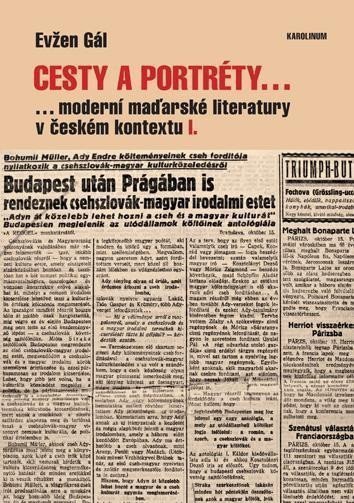
Hungarian literature, from the first coherent linguistic and literary monuments of the late 12th century, shows a distinctly European orientation. It was born entirely in accordance with the fundamental European spiritual impulses: antiquity, Jewish, Christian – both Catholic and Protestant – and Enlightenment culture. Indeed, due to the linguistic isolation and certain exclusivity of Hungarian (along with Finnish and Estonian) in the "Indo-European sea," Hungarian culture, in a broader sense, likely clung more loudly and persistently to its traditions, whether real or imagined, in a fear for the "salvation of the nation," or at least more frequently declared allegiance to them: It wanted to be a link, a bridge between East and West. However, in its best works, this orientation also produced (not only) literary works that meet even the most demanding reader criteria and are worth reading and studying. Modern Hungarian literature has earned a dignified place in the Czech cultural context, primarily thanks to the systematic efforts of translators in the post-war era of the 20th century, which made the most valuable works accessible to readers in Czech as well. This book is the first volume of a three-part work that aims to outline the picture of modern Hungarian literature from the end of the Second World War...
Information
Author: Gál Evžen
Language: Czech
Publication date: January 6, 2021
Manufacturer: Nakladatelství Karolinum
Genres: Specialized and technical literature, Books
Type: Books - paperback
Pages: 184
ISBN/EAN: 9788024644783